Loading
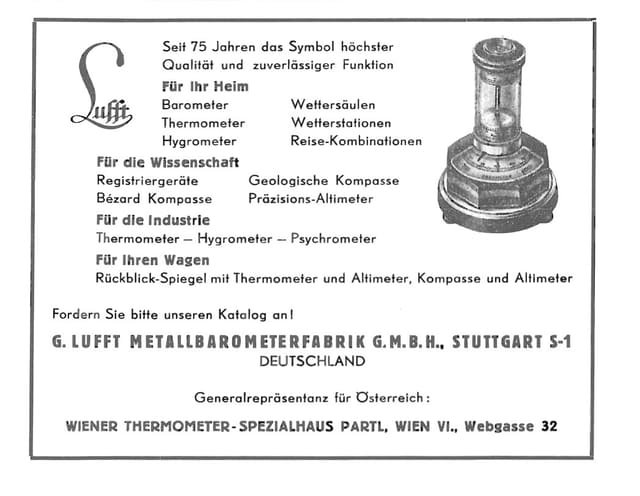
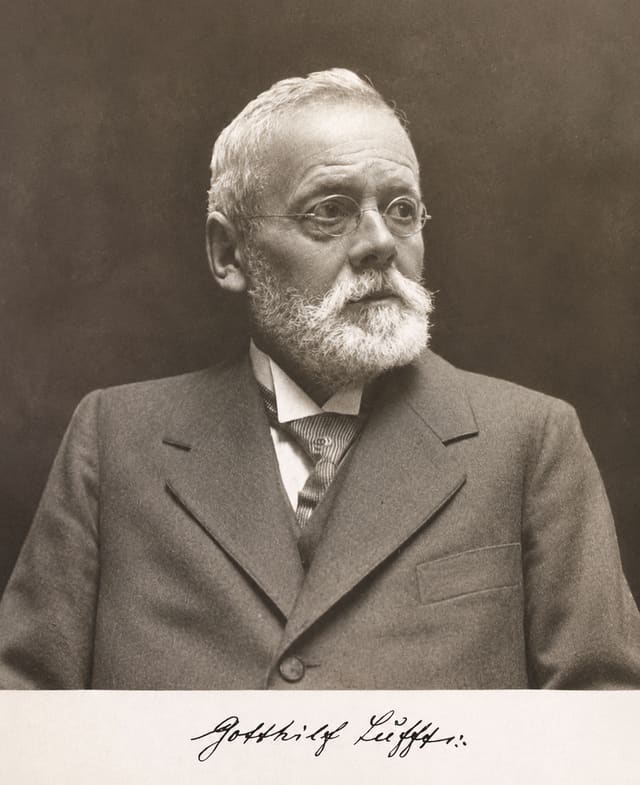
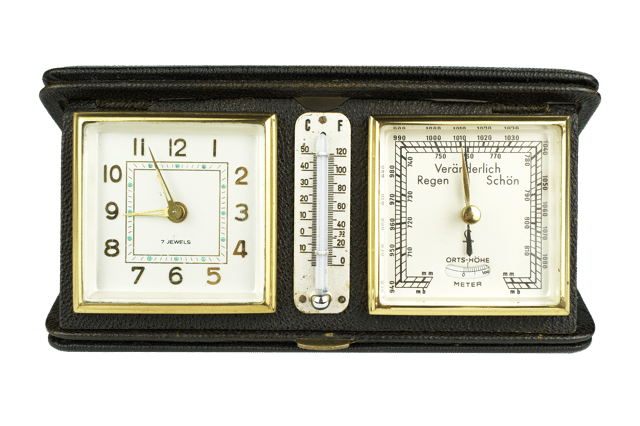
The history of the Lufft company effectively begins in 1872–1873, when Gotthilf Lufft, an assistant at the Stuttgart Polytechnic, decided to leave an academic career and establish his own business. He originated from Wilhelmsdorf near Ravensburg and belonged to the generation of “Gründerzeit entrepreneurs” — the era of rapid industrial expansion in unified Germany after 1871. The company emerged during the broader economic rise of the German Empire following national unification.
Lufft initially worked in the workshop of the optician S. F. Trostel at Eberhardstraße 37 in Stuttgart. There he produced physical and mathematical instruments for professors of the Polytechnic. In the anniversary brochure of G. Lufft Metallbarometerfabrik GmbH, published for the company’s 75th anniversary in 1956, special emphasis is placed on the close early collaboration between Gotthilf Lufft and Professors Fraas and Rettich, a relationship compared to the famous partnership between Carl Zeiss and Ernst Abbe in Jena. This comparison is highly revealing: by 1956 the company was already presenting its origins as the result of a union between science and precision mechanics rather than merely a craft workshop.
Lufft’s 1873 catalogue already displayed a remarkably broad product range for such an early stage. In addition to barometers and thermometers, the firm offered optical instruments, magnifiers, spyglasses, binoculars, pince-nez, as well as physical and mathematical apparatus. The business itself was still described as Trostel’s “optical shop,” yet the name G. Lufft was already appearing as a manufacturer of mechanical and measuring instruments.
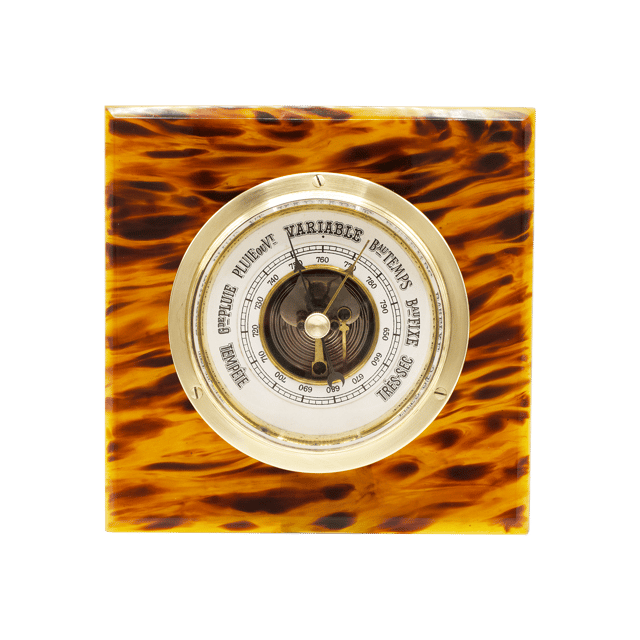
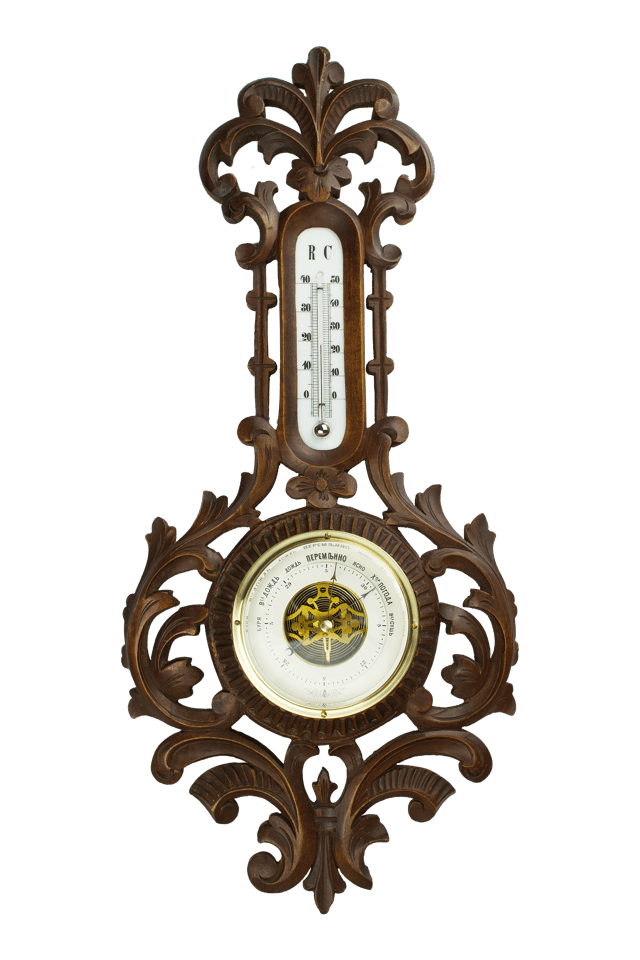
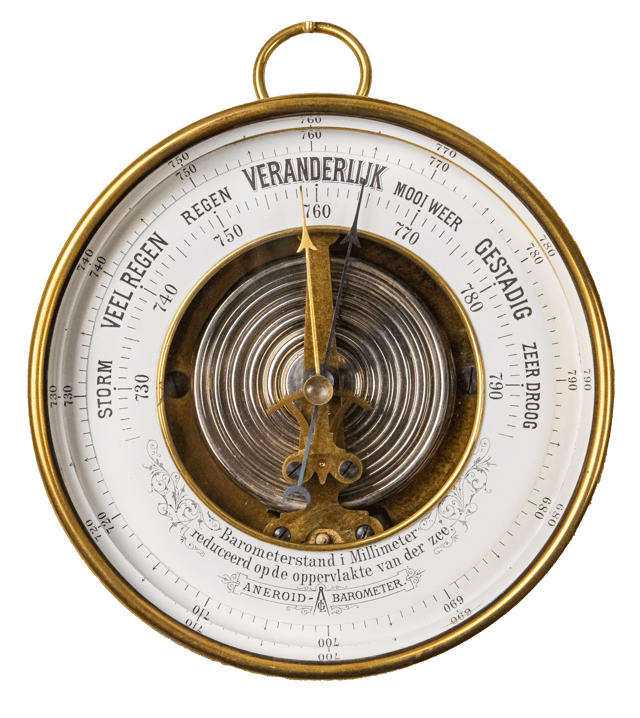
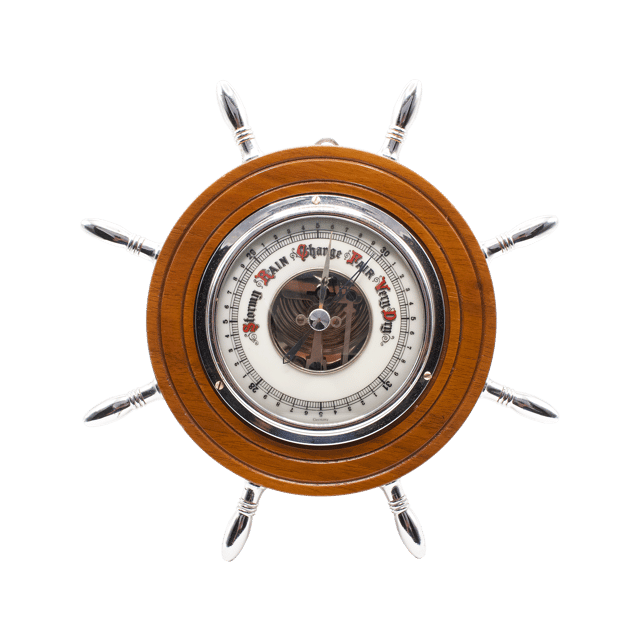
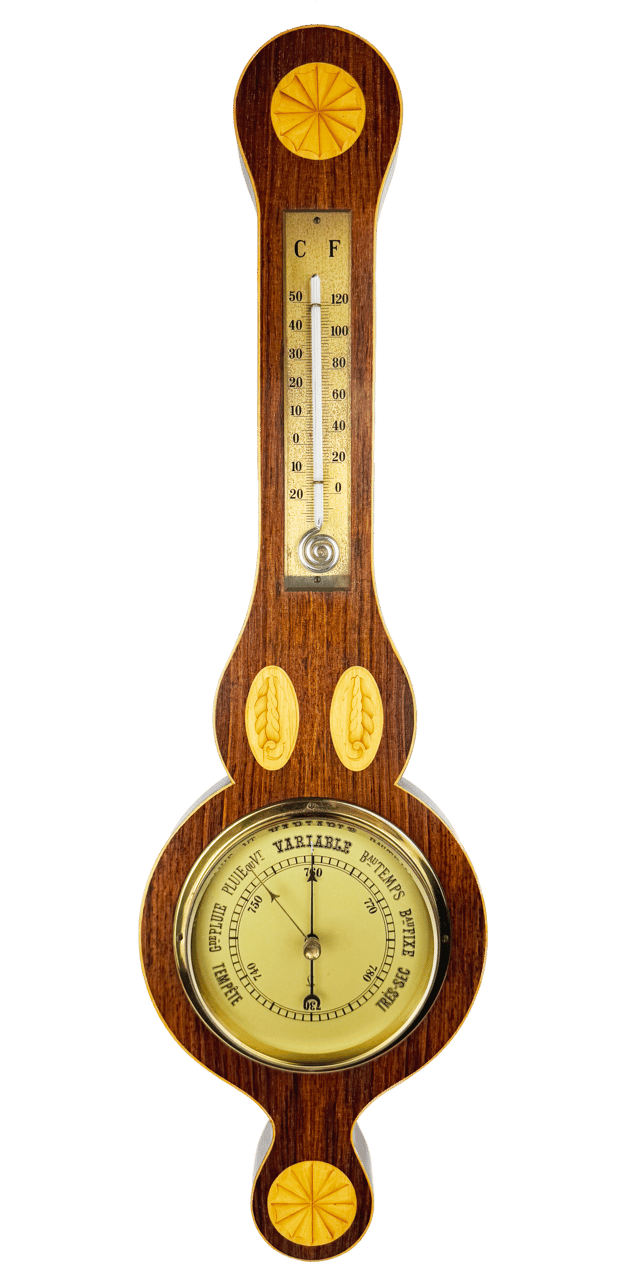
A decisive turning point came with the production of metallic barometers — aneroids. The principle of the evacuated diaphragm had originally been developed in France and was already known there by that time, yet the manufacture of such instruments became the foundation of the young company. Demand for aneroid barometers grew rapidly. Only in 1881 was the company Mech. Werkstatt G. Lufft officially established specifically for the manufacture of aneroid barometers, and it was this date that the firm regarded as its true foundation year.
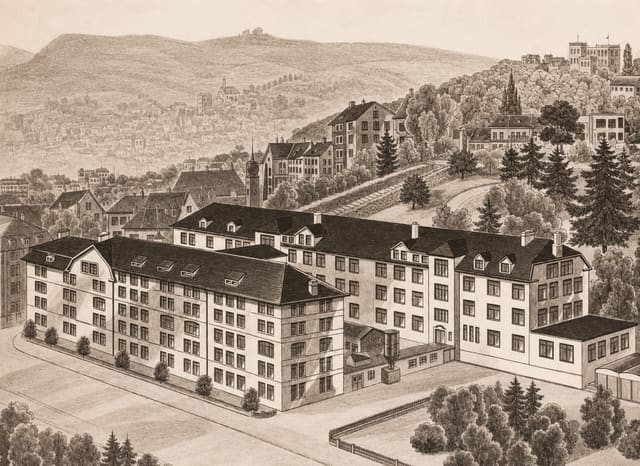
At first, production was literally housed within the shop itself. Soon even the residential rooms above the workshop had to be used. In 1881 premises were rented at Katharinenstraße 1, but by 1897 these facilities had already become insufficient. Lufft then acquired land at Neue Weinsteige 22 beside the Fangelsbach stream, where he constructed a four-storey factory building. The company was still located there in 1956. Customers travelled from many countries to Stuttgart in order to personally inspect the quality of Lufft barometers.
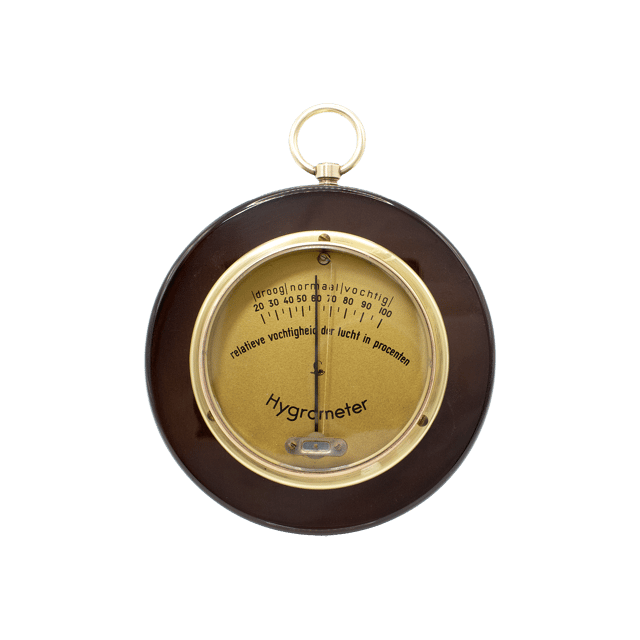
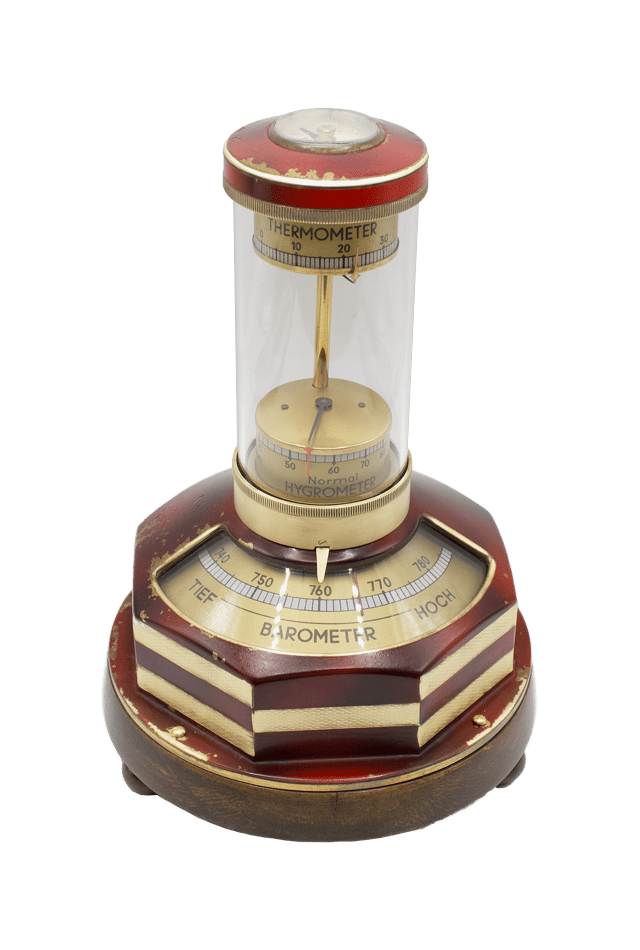
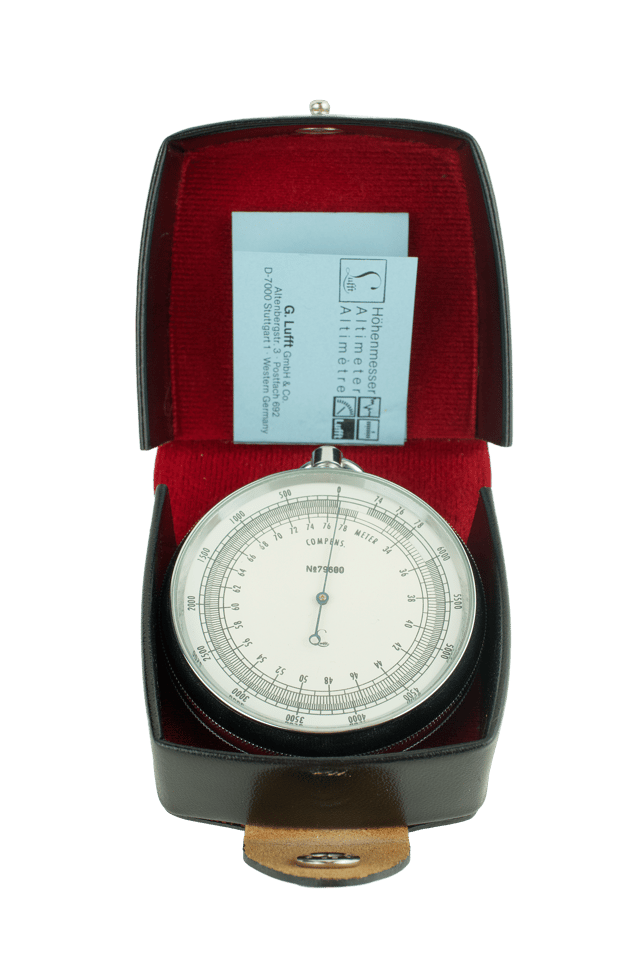
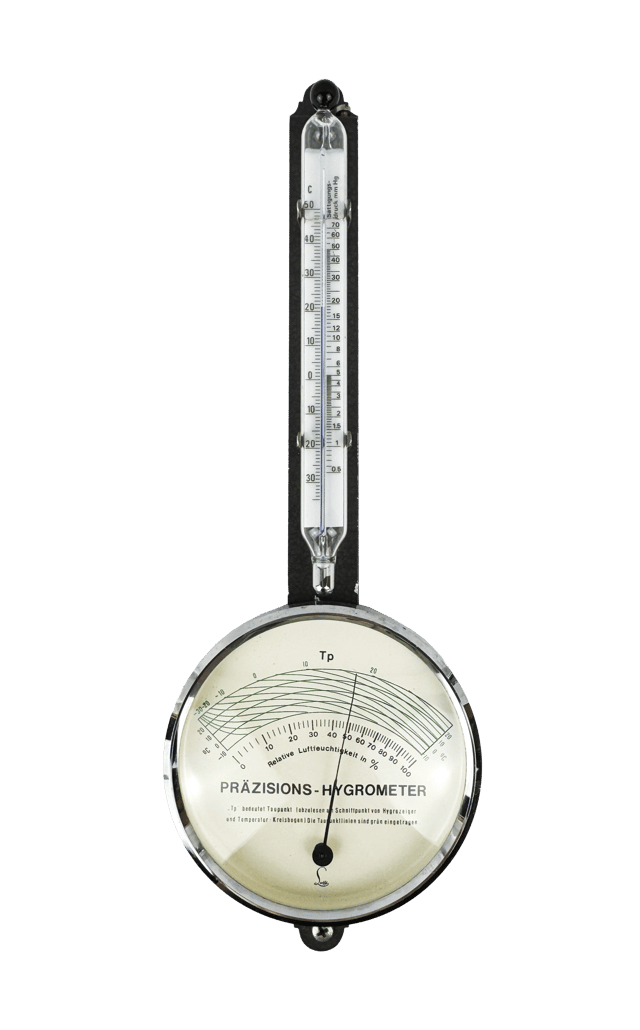
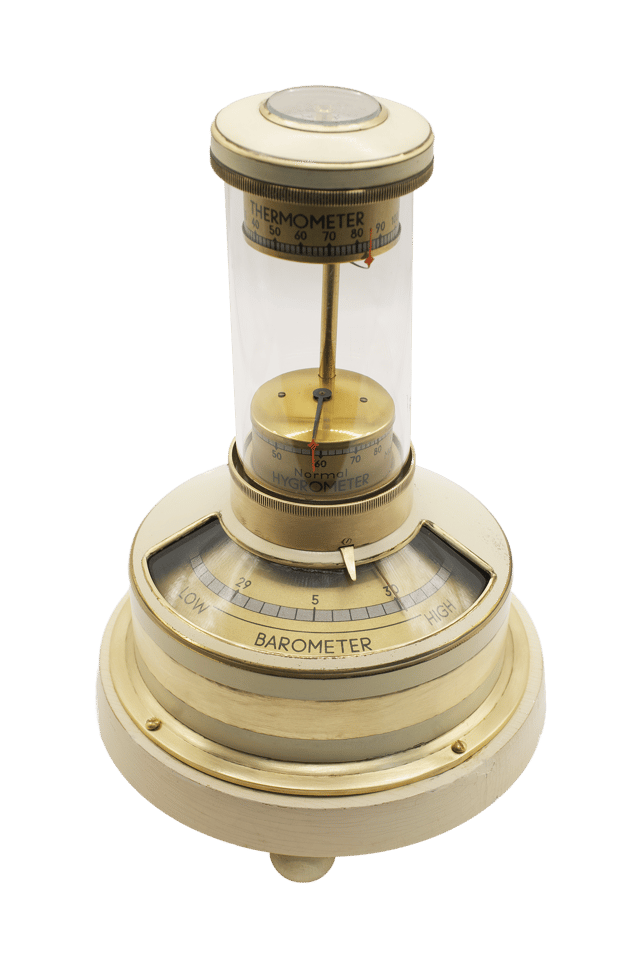
The product range of the late nineteenth and early twentieth century is especially significant. The company was far from being limited to aneroids alone. Even before the First World War it produced: -barometers; -hygrometers; -Bézard system compasses; -altimeters; -physical and scientific instruments; -acetylene welding equipment under the “Hesperus” trademark; -“Columbus” slide calipers.
This is an essential point for understanding the company: Lufft was not merely a “specialized barometer manufacturer,” but rather a typical German precision-mechanical enterprise of the industrial era, gradually diversifying into adjacent engineering fields.
In 1914, together with the Nagel brothers, Gotthilf Lufft co-founded Contessa Camera-Werke. Production was initially located on Rotebühlstraße, and later the building at Dornhalde 5 was acquired. In 1926 the company merged with C. P. Goerz and eight other photographic manufacturers to form the renowned ZEISS-IKON AG. Through this connection, Lufft became directly linked to the history of the German photographic industry.
The First World War radically transformed production. Civilian instrument manufacturing nearly ceased, as the factory was converted to the production of aviation altimeters for the rapidly developing aviation industry. The war became a technological turning point for the company.
After Germany’s defeat in 1918, the firm found itself in an extremely difficult position. The country was impoverished and isolated from the rest of the world. Production had to be adapted once again to peacetime conditions. The company abandoned several secondary branches of manufacture, including welding equipment, slide calipers, and even the Contessa camera business. It was during this period that the firm was reorganized as a family-owned GmbH.
Gotthilf Lufft died in 1921, marking the beginning of a new phase in the company’s history. In 1922 the heirs sold the optical shop on Eberhardstraße to the optician Mehrer. The founder’s son soon left the business, and management passed to the family’s son-in-law together with a company director.
The next major chapter is associated with Dr. Richard Müller-Lufft, who became the successor to Gotthilf Lufft. Under his leadership the company underwent reorganization, modernized its production, and strengthened its export network. In 1923 the Paris-based Établissements E. Hue S.a.r.l. were acquired, serving as an important base for trade with France. However, with the outbreak of the Second World War in 1939, exports ceased and the enterprise had to be abandoned.
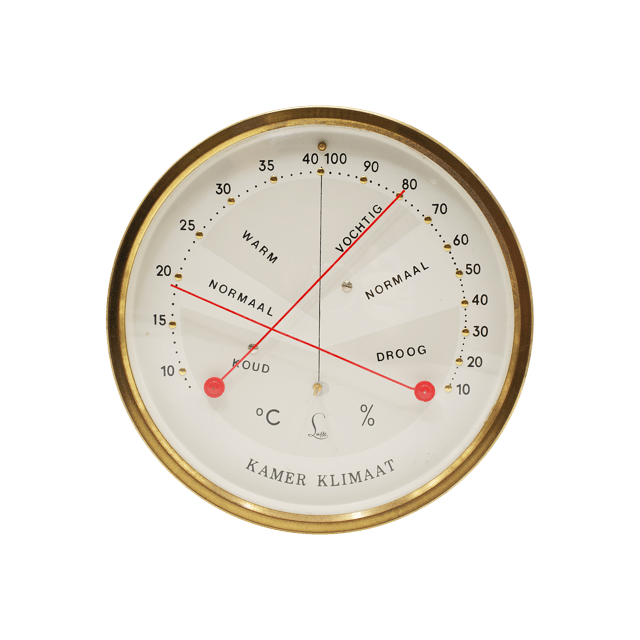
In 1932 Lufft began manufacturing bimetallic pointer thermometers, which offered clear advantages over mercury thermometers: they were unbreakable and easier to read. This represented an important step toward the mass industrial and domestic instrument production of the twentieth century.
The Second World War once again transformed the production profile of the company. Civilian manufacturing was increasingly displaced by military contracts, especially the production of aneroid capsules. In 1941 an additional capsule production facility had to be established in Reichenbach an der Fils. It remained in operation until 1950.
The death of one of the owners, Friedrich Wilhelm Mor, in 1941, followed by the death of Dr. Richard Müller-Lufft in 1944, plunged the company into another crisis. The postwar situation was devastating: the factory was damaged, raw materials were lacking, the currency had become nearly worthless, and many remaining employees left. Nevertheless, the company was successfully rebuilt thanks to the loyalty of customers both in Germany and abroad.
By 1956 the company was led by Dipl.-Ing. Erich Müller-Lufft, representing the next generation of the family. Under his direction the enterprise had become a modern industrial company with an advanced quality-control system, serial production, and exports worldwide. The firm enjoyed a strong international reputation, and its instruments were used globally in expeditions and scientific research.
Lufft presented itself simultaneously as a high-technology scientific manufacturer, an heir to the German tradition of precision mechanics, and a family enterprise rooted in long-standing craft traditions.